Upload a clear photo for an AI-assisted identification, then review the distinguishing features and species information.
Three simple steps to identify any fish using our AI technology
Take a clear photo of your fish and upload it to our system. Works with any device - phone, tablet, or computer.
Our AI compares visible features, patterns, and body shape to suggest a likely species.
Receive a likely identification, scientific name, distinguishing features, and fishing information.
Our AI-assisted tool evaluates a photo and suggests a likely fish species. Use the result as a starting point and compare the listed features before relying on the identification.
Use a clear side-view photo with the whole fish visible
Compare the suggested species with its visible features
Important: AI can make mistakes. Confirm the species with a qualified local source before eating, handling, or using the result for regulatory decisions.

Discover detailed information about fish species in our comprehensive database
Browse more than 400 freshwater and saltwater species, with scientific names and practical identification context.
Learn More
Expert tips and techniques for successful fishing, tailored to specific fish species and conditions.
Read Tips
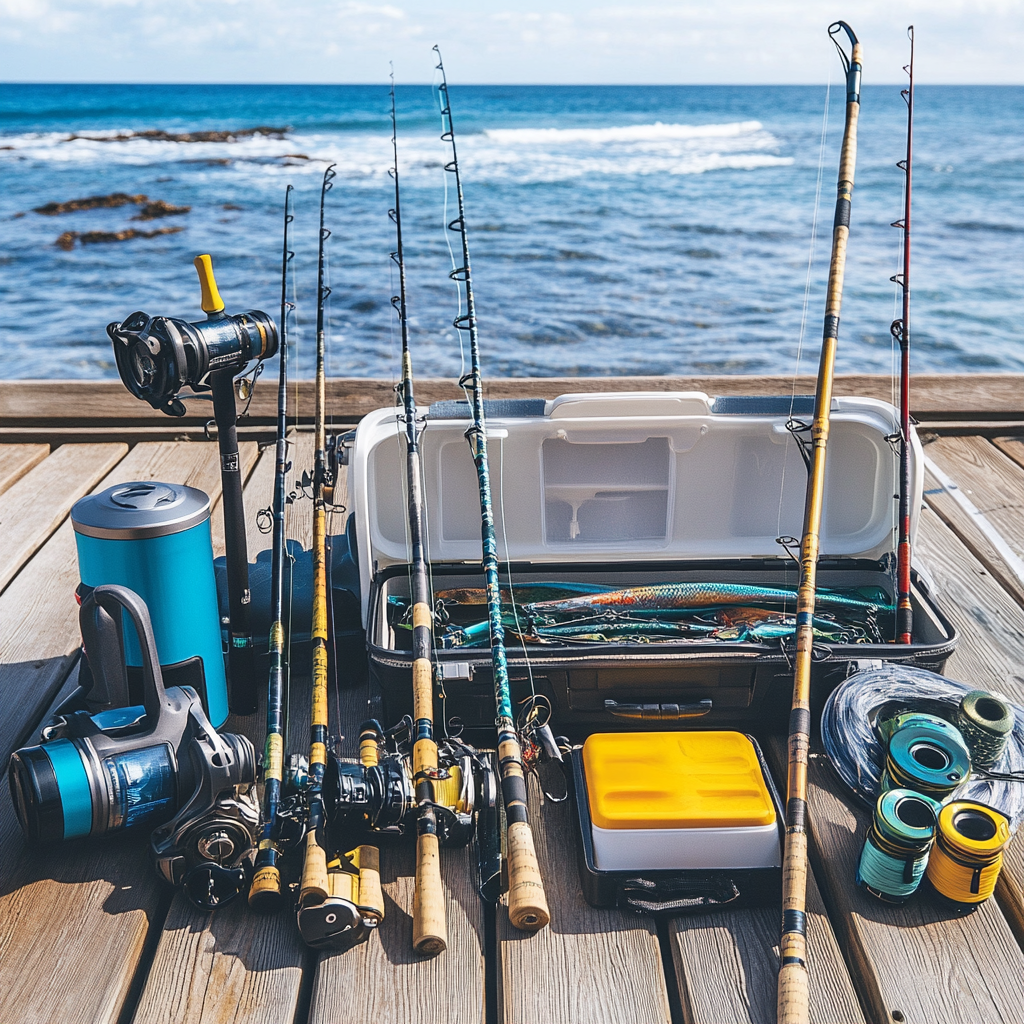
Professional gear recommendations based on target species and fishing conditions.
View GearThree must-know knots, simple rigs, and a stress-free first-trip checklist.
Read More →A small, reliable kit for most waters—plus how to retrieve each lure.
Read More →Simple, reliable setups for trout, bass, and inshore saltwater.
Read More →Quick fish handling, personal safety, and regulations basics.
Read More →Reels, tackle, and outdoor optics we recommend — see current picks and prices.
Shop Now →Start with visible features, then confirm the result with an authoritative local source.
Check the side stripe, spotting, tail, mouth, and differences from salmon.
Use the black gum line, tail spotting, body pattern, and life stage.
Examine the arched lateral line, jaw, eye position, and dorsal rays.
A practical comparison checklist for commonly confused catches.
Compare mouth size, pectoral fins, ear flaps, body bars, and fin edges.
Check the lower tail tip, first dorsal fin, side saddles, and possible hybrids.
Use side stripes, tongue tooth patches, gill-cover points, and body shape.
Jaw length, dorsal notch, and color separate the two most-caught bass.
The ear flap ends the argument — solid black versus red-edged.
Barbels, eyespots and tail shape tell these two drum apart instantly.
Size, spots and the lateral-line dip that separates kings from spaniards.
27 comparison and deep-dive guides for commonly confused species.
World-record and typical-catch weights for 46 species, charted by family.
What's biting in your state, month by month — plus fisheries and licence sources.
How far does the record book stretch? 46 species charted, record to typical catch.
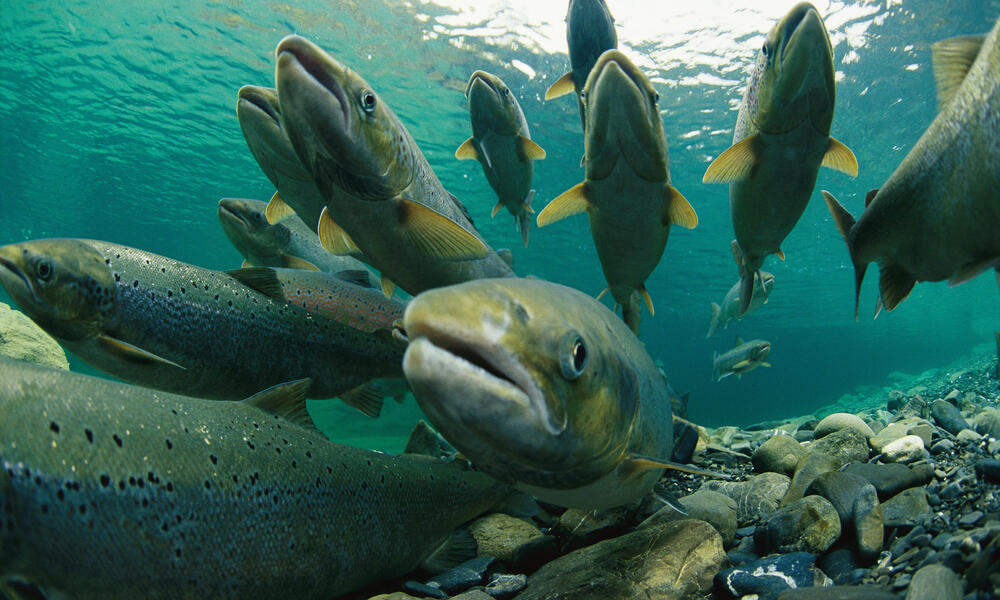
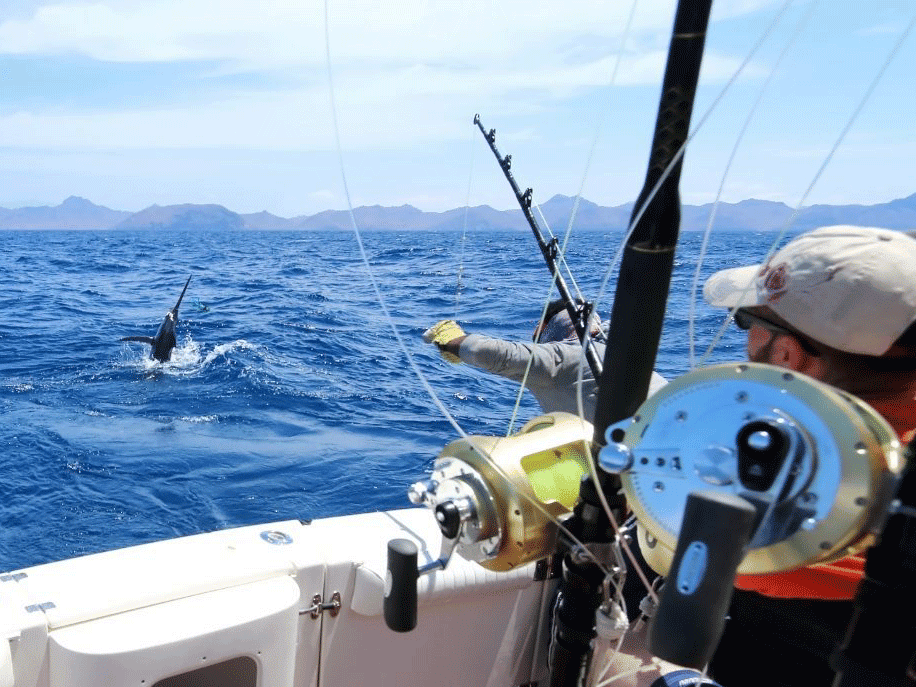
Example fishing and marine-life images. Visit the community page to share a real catch.